From Victorian Terrace to Flat: Fulham Move Case Study
Moving from a Victorian terrace into a flat in Fulham sounds straightforward on paper. In real life, it can be a bit of a juggling act. Narrow staircases, awkward parking, shared entrances, tight lift windows, and the eternal question of where the sofa is actually going to turn. This From Victorian Terrace to Flat: Fulham Move Case Study explores the moving process in a way that is practical, local, and honest about what tends to go right, what tends to catch people out, and how to plan the move so it feels controlled rather than chaotic.
If you are comparing move options, dealing with building rules, or just trying to work out how much planning this sort of move really needs, you are in the right place. We will look at the logistics, the likely pinch points, the best ways to prepare, and the small decisions that make a surprisingly big difference. Let's face it, the details are where Fulham moves are won or lost.
Quick takeaway: a terrace-to-flat move in Fulham is usually less about distance and more about access, timing, and preparation. Get those three right and the day becomes much easier.
- Why this move matters
- How the move works in practice
- Key benefits and practical advantages
- Who this is for
- Step-by-step guidance
- Expert tips for better results
- Common mistakes to avoid
- Tools, resources and recommendations
- Law, compliance and best practice
- Options and comparison
- Case study example
- Practical checklist
- Frequently asked questions
Why From Victorian Terrace to Flat: Fulham Move Case Study Matters
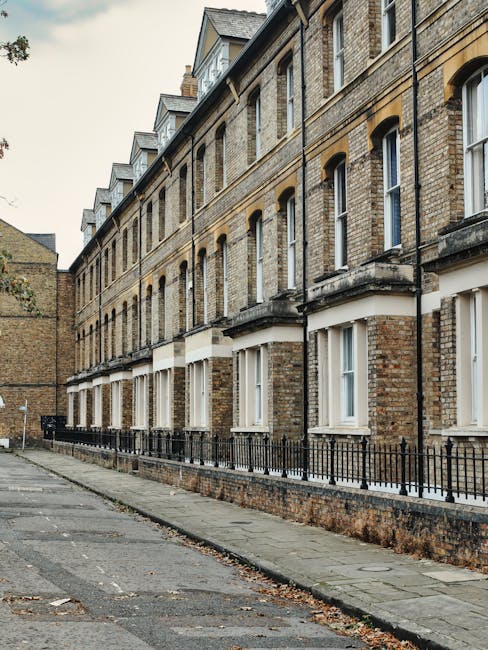
Fulham is one of those London areas where property style affects the move almost as much as the postcode itself. Victorian terraces can offer generous room sizes, but they often come with tight front steps, split-level layouts, and furniture that has somehow grown too large for the hallway. Flats, meanwhile, may be easier to heat and maintain, but they frequently introduce lift restrictions, neighbour considerations, and building access rules that need to be respected.
This case study matters because many people underestimate the shift in moving conditions. They focus on the packing list and ignore the operational side. But a move from a terrace to a flat is really a change in moving environment. One property may be easier to load from the street, while the other may require careful timing, short carrying distances, and a very patient approach to shared spaces. That is where experience counts.
There is also a wider local point. Fulham streets can be busy, and parking is rarely something you want to leave to chance. If you are moving near main roads or busier residential pockets, the difference between a calm arrival and a stressed one can come down to whether you planned the access properly. That is why services like loading bay permit guidance for Fulham moves are so relevant to real-world planning.
And to be fair, the move is not just about boxes. It is about protecting floors, keeping neighbours happy, avoiding avoidable damage, and making sure the day does not stretch into a late-night clean-up with tired shoulders and a missing kettle.
How From Victorian Terrace to Flat: Fulham Move Case Study Works
In practical terms, this type of move usually follows a simple pattern: assess the old property, assess the new property, then build the move around the hardest access points. That sounds obvious, but people often do it the other way around. They book a vehicle, start packing, and only then discover that the new flat has a narrow stairwell, a strict booking slot, or a lift that is not really large enough for a wardrobe on its side.
The first stage is a quick access review. For the Victorian terrace, this usually means checking front-door width, internal stair turns, on-street parking, and any fragile items that will need extra care. For the flat, it means noting lift size, stair width, entry codes, loading restrictions, and whether the move-in window is limited by the building or the managing agent. Sounds dull, yes. But these are the details that prevent chaos.
The second stage is load planning. A small, well-organised move might suit a man and van service, especially where the inventory is modest and the route is short. Larger or more complex moves may need a fuller team approach, particularly if bulky furniture, multiple bedrooms, or tricky access are involved. There is no one-size-fits-all answer. That is the honest version.
The third stage is packing and sequencing. Items should be grouped by room and by priority so the essentials come off first at the flat. If you are moving from a terrace with more storage space into a smaller flat, this becomes even more important. The last thing you want is to arrive with six mystery boxes labelled "miscellaneous" and no clean bedding anywhere in sight.
A good moving company will also think about the route, the weather, and the building environment. Rain changes everything. So does a narrow front path, a busy school run, or a lift that seems to take forever between floors. Little things. Big impact.
Key Benefits and Practical Advantages
There are real advantages to planning this move carefully rather than treating it like a standard domestic relocation. The biggest benefit is control. When you know where the bottlenecks are, you can plan around them instead of reacting to them on the day.
- Less disruption: Clear planning reduces the back-and-forth that often slows a move down.
- Reduced risk of damage: Protecting corners, banisters, door frames, and floors matters more than people think.
- Better use of time: A well-sequenced move finishes sooner, which is especially useful if building access is restricted.
- Less neighbour tension: Quiet, orderly handling tends to avoid complaints in shared buildings.
- Smarter vehicle choice: A suitable van or truck keeps loading efficient without overpaying for unnecessary capacity.
- Less stress on moving day: That alone is worth planning for. Seriously.
There is another advantage people miss. Moving from a terrace to a flat often creates a natural opportunity to declutter. You begin to notice how much of what you own has been living in cupboards, under beds, and in the back of wardrobes. If you are already reducing volume, the move becomes lighter in every sense. A good starting point is to look at practical decluttering advice, such as how to create space before you relocate.
For some households, the move is also a chance to reassess storage habits, furniture size, and what truly earns a place in a smaller footprint. That is not a compromise. It is a reset.
Who This Is For and When It Makes Sense
This case study is especially useful if you are one of the following:
- moving from a larger Victorian terrace into a smaller flat in Fulham
- downsizing after a change in household size or lifestyle
- relocating for work, schools, or convenience
- moving into a managed building with strict access rules
- trying to keep the move efficient without paying for more vehicle or labour than needed
- handling a move with furniture that may need partial dismantling or special handling
It also makes sense if you are comparing different moving services and trying to work out which type of help is actually relevant. A straightforward flat move with only a few items may only need one vehicle and a small team. A larger move, or one involving bulky furniture, may justify more support. If you are weighing up the options, it helps to compare approaches like van hire versus man and van services before you commit.
When does this move model make the most sense? Usually when the destination flat has good access, or when the old terrace is easy to load from the front. If both ends are awkward, planning becomes more important still. In that situation, the move is not impossible, just more dependent on timing and coordination.
And if you are moving at short notice, the whole thing becomes even more sensitive to preparation. Last-minute moves are very common in London, by the way, and they can still go smoothly if the checklist is tight.
Step-by-Step Guidance
Here is a practical way to handle the move without overcomplicating it.
1. Survey both properties properly
Walk through the terrace and the flat with a moving eye, not a living-room eye. Measure stair turns, note any low ceilings, check whether large furniture can get through the front door, and confirm if there are any building rules that affect arrivals or lift use. It sounds basic, but skipping this step is how sofas end up parked in hallways with nobody quite sure what to do next.
2. Separate what must travel from what should be left behind
Not everything deserves a place in the new flat. This is where decluttering saves time, money, and box count. Be ruthless with duplicates, worn-out furniture, and items that no longer fit your space. If you have disposal or bulky-item questions, it is worth reading about bulky waste options in SW6.
3. Match vehicle size to the job
There is a sweet spot between too small and too large. Too small means extra trips and wasted time. Too large can be overkill for a compact flat move, especially where parking is tight. For many Fulham domestic jobs, a flexible vehicle setup can be the smarter choice. A moving truck may be useful for bigger loads, but only if access and volume justify it.
4. Pack in the order you will need things
Label boxes clearly by room and priority. Keep essentials together: toiletries, chargers, medication, tea and coffee, basic tools, and bedding. One small box of "first night" items can save a lot of irritation. You do not want to be hunting for a phone charger while standing in a nearly empty kitchen, half-tired and mildly grumpy. Been there, many people have.
5. Protect the property on both sides
Use covers, blankets, corner protection, and floor runners where needed. In terraces, the risk is often scrapes on banisters and walls. In flats, the concern is usually shared corridors, lifts, and communal flooring. Good protection is not fussy; it is respectful.
6. Coordinate timing carefully
Try to avoid the most awkward traffic or building-use windows. In Fulham, that can mean steering clear of the worst congestion periods where possible and checking any building-specific rules in advance. If you are moving around busy routes, you may find that timing is as important as manpower.
7. Do a final sweep before leaving
Open cupboards, check the loft if there is one, look behind doors, and inspect the exterior. It is astonishing how often chargers, documents, and small kitchen items are left behind in the final rush. Give yourself that extra five minutes. Worth it.
Expert Tips for Better Results
There are a few things that consistently improve terrace-to-flat moves in Fulham. Not glamorous things. Just practical ones.
- Book access checks early: If the flat has a lift booking slot or delivery window, treat it as fixed until confirmed otherwise.
- Disassemble furniture before moving day if possible: Flat moves often benefit from taking beds, tables, and bulky shelving apart in advance.
- Use room-based packing, not category-only packing: A box of "books" is fine, but a box of "books for bedroom" is much better when unloading.
- Keep one path clear: In narrow terraces, a single clear route from front door to vehicle makes loading much smoother.
- Think about the end state, not just the move: If a sofa fits the terrace but overwhelms the flat, that is a design decision, not just a moving one.
- Confirm insurance and handling expectations: It is sensible to know how belongings are covered and what the mover's process is for fragile or high-value items. A useful place to review this is the site's insurance and safety information.
A small but helpful trick: keep a notepad or notes app open on your phone for "do not forget" items. The brain gets messy on moving day. That is just how it is.
If you are moving a particularly awkward item, take a minute before lifting to look at the route from both ends. Half the time the obstacle is not the object itself, but the turn, the landing, or the door swing. That tiny pause can save a lot of swearing. Quietly, of course.
Common Mistakes to Avoid
Most moving problems are predictable. That is the annoying part. The good news is that once you know what usually goes wrong, you can dodge it.
- Assuming the flat move will be easier by default: It may be smaller, yes, but access can still be restrictive.
- Ignoring parking and loading conditions: This is one of the quickest ways to create delays.
- Leaving packing too late: Rushed packing leads to damaged items and disorganised unloading.
- Not measuring large furniture: If it did not fit in the terrace easily, it may be even less cooperative in the flat.
- Forgetting building rules: Lift reservations, move-in times, and damage deposits can all affect the day.
- Overfilling boxes: A box of books becomes a back problem very quickly.
- Not planning for disposal: Unwanted furniture and waste often end up becoming a last-minute burden.
One more mistake, and this is a common one in London moves: assuming there will just be somewhere to stop "for a minute." Sometimes there is. Often there isn't. If you are in a busier Fulham location, you really want to treat stopping space as a planned resource, not a hope.
Truth be told, many moving headaches come from optimism rather than bad luck.
Tools, Resources and Recommendations
You do not need a mountain of equipment, but the right basics make a visible difference. In our experience, the following are the most helpful:
- Strong boxes in mixed sizes: Use smaller boxes for books and heavier items.
- Labels and marker pens: Clear labels save time at both ends.
- Blankets, wraps, and tape: Essential for protecting furniture and keeping drawers shut.
- Trolley or sack truck: Very useful where access allows it.
- Measuring tape: Small, cheap, and somehow always forgotten.
- Basic toolkit: Screwdrivers, Allen keys, and a Stanley knife can save the day.
- Cleaning materials: A quick clean before handover is easier if you have supplies ready.
If you want the move to feel more organised, services that include packing support can help. For a detailed look at that side of the job, see packing and unpacking services. They can be especially useful when you are balancing work, family, and a moving date that would really prefer to be impossible.
For people who want a broader view of moving service options, the company's home moves page is a sensible starting point. It helps frame the kind of support that suits a domestic relocation rather than a commercial one.
Law, Compliance, Standards, or Best Practice
Moving home is not a heavily regulated activity in the way some industries are, but there are still important standards and expectations to respect. In practice, that means following local parking rules, observing building access policies, handling belongings safely, and making sure any service provider works in a careful and insured way.
Where relevant, Fulham and wider borough rules can affect how and where a vehicle stops, whether a loading bay is available, and whether waste or skipped items need separate arrangements. You do not need to become a parking expert overnight, but you do need to check the practical rules before the van arrives. A missed permit or a bad stopping decision can eat time very quickly.
Best practice also includes honest communication about access. If the terrace has a tricky staircase or the flat has a narrow lift, say so. That helps the mover assign the right vehicle, the right equipment, and enough time. Hiding the tricky bit usually helps nobody.
From a safety perspective, professional movers should use sensible lifting methods, protect walkways, and reduce the chance of injury or damage. If you are choosing a provider, it is reasonable to ask about their health and safety approach, vehicle security, and claims process. The site's health and safety policy is a useful example of the kind of standards worth checking.
Payment clarity matters too. Moving day is stressful enough without wondering what has been agreed. Make sure pricing, timing, and service scope are clear before the job starts. That is just good practice, plain and simple.
Options, Methods, or Comparison Table
Different moving approaches suit different versions of the terrace-to-flat journey. Here is a simple comparison to help frame the decision.
| Option | Best for | Strengths | Trade-offs |
|---|---|---|---|
| Man and van | Smaller domestic moves, a few rooms, flexible access | Often cost-effective, adaptable, good for short local moves | May need careful planning for bulky items or larger inventories |
| Moving truck | Larger loads, fuller households, more furniture | More space in one trip, efficient for bigger moves | Harder to manage in tight streets or restricted access areas |
| Full packing support | Busy households, time-poor movers, fragile items | Less stress, more organisation, better box consistency | Higher service level, so often more expensive |
| Self-pack with transport only | People who want to control packing and save money | Flexible and budget-aware | More work, more risk of last-minute packing issues |
There is no universally "best" method. The right choice depends on access, volume, timing, and how much help you want to carry the load, so to speak. If you are unsure, it can help to compare options against the actual physical challenge of the move rather than the property size alone. A compact flat can still be a headache if the lift is awkward and the parking is tight.
Case Study or Real-World Example
Here is a realistic Fulham-style example. A household moves from a Victorian terrace with two floors, a narrow hallway, and a dining table that has become emotionally attached to the house, apparently. The new home is a flat a short drive away. On paper, the distance is easy. The reality is more layered.
The old property allows front-door loading, but the staircase means larger furniture needs two people and a careful turn on the landing. The new flat has a lift, but it is only useful if items are measured and loaded in the right order. The building also has a move-in window, which means the van cannot just arrive whenever it pleases.
What made the move smoother was simple preparation:
- the larger items were measured in advance
- the bed frame was dismantled before moving day
- boxes were grouped by room and priority
- parking arrangements were checked ahead of time
- the team brought protective materials for the flat corridor and the terrace stairs
What could have gone badly? The sofa, for one. It was borderline. The crew checked the turn radius before forcing anything, which saved everyone from a very awkward half-fit situation. That kind of judgement is not dramatic, but it matters more than people realise.
By the end of the day, the flat was set up in a way that made the first evening manageable rather than messy. Bedding was accessible, the kettle was out, and the main seating was in place. Small win, but a real one. The difference between "moved" and "settled" often comes down to those first few hours.
Practical Checklist
Use this checklist to keep the move on track.
- Confirm access at both properties
- Check parking, loading, and any permit or building restrictions
- Measure large furniture and doorways
- Decide what to keep, sell, donate, recycle, or discard
- Book the right moving support for the volume and access
- Pack essentials separately for the first night
- Label boxes by room and priority
- Protect floors, walls, and furniture
- Prepare payment and contact details in advance
- Do a full final sweep before leaving the terrace
- Inspect the flat before unloading if possible
- Keep keys, documents, and valuables with you
Expert summary: if you want a terrace-to-flat move in Fulham to feel calm, focus on access, timing, and pack-down discipline. Those three shape almost everything else. Not glamorous. Very effective.
Conclusion
A move from a Victorian terrace to a flat in Fulham is not just a change of address. It is a change in how your belongings need to be handled, how access needs to be managed, and how carefully the whole day needs to be sequenced. The better you understand the layout at both ends, the easier it becomes to choose the right support and avoid unnecessary stress.
The best moves are rarely the flashiest ones. They are the ones where the right questions were asked early, the awkward bits were measured, and the packing matched the reality of the new home. If you are approaching this kind of move now, take a steady view, plan the access, and leave a bit of breathing room in the day. You will feel the difference.
Get a free quote today and see how much you can save.
And if nothing else, give yourself credit for getting the plan in place. A good move is built in the details, one sensible choice at a time.
Frequently Asked Questions
Is moving from a Victorian terrace to a flat in Fulham usually more complicated?
Often, yes, but not because the distance is long. The complication usually comes from access: stairs, narrow hallways, parking, lifts, and building rules. With good planning, though, the move can still be very manageable.
What should I check first before booking a moving service?
Start with access at both properties. Check the size of doorways, staircases, lift access, parking, and whether either building has time restrictions. That information helps determine the right vehicle and crew size.
Do I need a permit or special parking arrangement for a Fulham move?
Quite possibly, depending on the street and timing. Some moves need loading bay planning or other parking arrangements, so it is sensible to check early rather than assume stopping space will be available.
What is the best type of moving service for this kind of move?
It depends on the amount of furniture and the access conditions. A smaller domestic move may suit a man and van setup, while a fuller household move might need a larger vehicle or more support.
How far in advance should I start packing?
As early as you reasonably can. For most moves, starting with non-essential items a couple of weeks ahead helps reduce pressure. If you are short on time, focus first on room-by-room packing and clear labels.
Should I dismantle furniture before moving day?
If possible, yes. Dismantling beds, tables, and shelving can make the move safer and much easier, especially where stair turns or narrow flat entrances are involved.
What items are most likely to cause problems?
Large sofas, wardrobes, mattresses, mirrors, and anything heavy or awkward to turn. These are the items that usually reveal access problems, so they are worth measuring carefully before the move.
How can I make moving day less stressful?
Keep your essentials separate, confirm timings in advance, and avoid leaving packing until the last minute. A clear plan and a tidy first-night box go a long way.
What should I do with unwanted furniture before the move?
Decide early whether it will be donated, sold, recycled, or cleared away. Leaving bulky items until the end tends to create delays and extra pressure on moving day.
Is a flat move always cheaper than moving into a house?
Not always. The cost depends more on access, volume, labour, timing, and service level than on whether the destination is a flat or a house. A difficult flat move can be more demanding than a simple house move.
Should I ask about insurance and safety before booking?
Yes, absolutely. It is sensible to understand how belongings are handled, what protection is in place, and how the company approaches safety. That kind of transparency is part of a trustworthy service.
What is the biggest mistake people make in this type of move?
Assuming the move will be simple because the new home is smaller. In reality, smaller can mean tighter, and tighter often means more planning. That is the bit people sometimes miss.