Compare Fulham Van Hire vs Man-and-Van Services
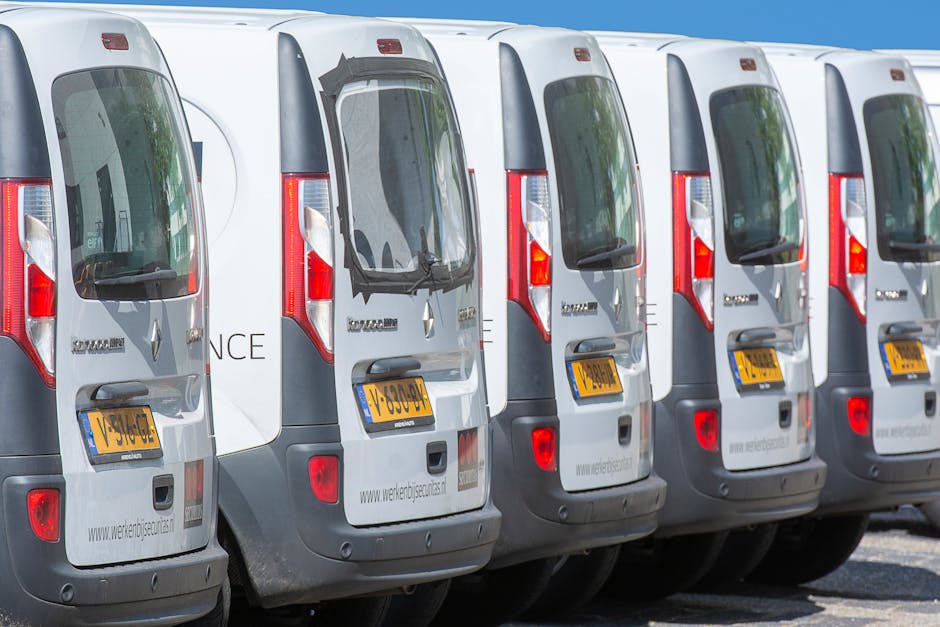
If you are trying to move a sofa, clear a flat, or shift a few office items across Fulham, the choice can feel oddly bigger than it should. Do you hire a van and do the work yourself, or book a man-and-van service and hand over the heavy lifting? In practice, the right answer depends on time, budget, access, and how much help you actually want on the day. This guide will help you compare Fulham van hire vs man-and-van services in a way that is practical, honest, and easy to act on.
Let's face it: moving is rarely just about transport. It is about stairs, parking, awkward corners, scratched walls, tired backs, and a clock that seems to move faster than usual. The good news is that both options can work well. The trick is matching the service to the job, not the other way around.
Why Compare Fulham Van Hire vs Man-and-Van Services Matters
The short version? Because the cheaper option is not always the cheaper option. A self-hire van can look attractive at first glance, especially if you are only moving a few items. But once you add fuel, deposit, insurance excess, parking pressure, and the time spent loading everything yourself, the picture changes quickly.
A man-and-van service, by contrast, usually bundles transport with loading help and local moving experience. That can be a big deal in Fulham, where access is often tight, loading space can be limited, and a simple collection can turn into a small logistical puzzle. If you have ever stared at a narrow street at 8:15 in the morning wondering where a van is meant to stop, you already know the feeling.
It matters for another reason too: your own energy. A van hire puts more responsibility on you and your helpers. A man-and-van service reduces the manual work and often cuts the stress. For some moves, that is worth every penny. For others, it would be overkill. The point of comparing them properly is to avoid paying for more than you need, or underestimating the effort a move will take.
How Compare Fulham Van Hire vs Man-and-Van Services Works
Think of van hire as a DIY transport solution. You rent the vehicle, pick it up, drive it, load it, unload it, and return it. Depending on the rental terms, you may also handle mileage limits, fuel policy, and insurance extras. It suits confident drivers who have time, a second pair of hands, and a straightforward job.
A man-and-van service is more like an assisted move. You book a vehicle plus one or more movers, and they help with lifting, carrying, loading, and sometimes packing support depending on the provider. Many people choose this for home moves, office relocation jobs, furniture pick-ups, and smaller removals where the effort is the real problem, not just the vehicle.
If you want to explore service-style moving help, the site's man-and-van service and man with van option are the most relevant places to start. For larger or more structured moves, home moves, house removalists, and commercial moves show how the support can scale up.
Here is the practical difference in plain English:
- Van hire = you supply the labour, planning, and driving.
- Man-and-van = you pay for help, speed, and a lot less lifting.
Key Benefits and Practical Advantages
Both options have clear strengths, but they solve different problems. This is where people often get tangled up, because the conversation gets reduced to price alone. Price matters, yes. But so do time, risk, and ease.
Why van hire can make sense
- Lower base cost if you only need the vehicle for a short job.
- Control over your timings and loading method.
- Flexibility for very small, simple moves.
- Good fit for experienced drivers who are comfortable handling larger vehicles.
Why man-and-van often wins on convenience
- Less physical strain because movers help carry and load.
- Better for awkward items like wardrobes, mattresses, desks, or white goods.
- Faster on the day when the route from property to vehicle is not easy.
- Useful local knowledge can help with timing, access, and loading issues.
There is also a quiet but important benefit: fewer mistakes. A lot of move-day stress comes from underestimating how long things take. A couple of heavy trips up and down stairs, a parking issue, and suddenly the day is running late. A good man-and-van setup can prevent that domino effect before it starts.
For people wanting help with preparation, packing and unpacking services can be a useful add-on, particularly if you are moving fragile items or trying to keep the whole job contained and tidy.
Who This Is For and When It Makes Sense
Not every move needs a big removal crew. Not every move should be self-managed either. The right choice depends on the shape of the job.
Van hire is often a better fit if:
- You are moving a small number of items and have help on hand.
- The load is light, box-based, and easy to stack.
- You are comfortable driving a van through London traffic and parking constraints.
- You want to keep costs down and are happy doing the physical work yourself.
Man-and-van is often a better fit if:
- You are moving from a flat with stairs, limited lift access, or awkward entry points.
- You have bulky furniture or fragile items that need careful handling.
- You need the move to happen quickly and with less faff.
- You are short on helpers, time, or energy. Truth be told, that is most people.
It is also worth thinking about the type of move. A single furniture collection is one thing. A full flat move is another. A business relocating stock, IT kit, or office furniture has a different set of pressures again, which is why services like office relocation services and furniture pick-up exist as more focused options.
Step-by-Step Guidance
If you are still unsure, use this simple decision process. It is not fancy, but it works.
- List what actually needs moving. Write down furniture, boxes, appliances, and anything fragile.
- Measure the big items. A sofa that looks manageable in the lounge can become a problem in a tight stairwell.
- Check access. Think about parking, loading distance, lifts, low ceilings, and narrow hallways.
- Estimate labour. If it would take more than one strong trip or two, man-and-van starts looking sensible.
- Compare total cost, not headline price. Include fuel, insurance extras, parking, time off work, and any equipment you may need.
- Decide what matters most. Cheapest? Fastest? Least stressful? Pick the service that matches that priority.
- Book early if possible. Good move dates fill up quickly, especially at weekends and month-end.
A small but useful tip: if you are leaning toward van hire, ask yourself who is going to do the lifting after the van is parked. That one question tends to clarify things fast. Not always, but usually.
Expert Tips for Better Results
In our experience, the smoothest move is the one where the plan is simple and realistic. Overplanning can be just as messy as underplanning. A decent moving day often comes down to a handful of small decisions made well.
Practical tips that save time and stress
- Keep essentials separate. Put keys, chargers, medication, documents, and basic toiletries in a bag you can reach easily.
- Label boxes clearly. Room labels help more than fancy colour systems that nobody remembers by lunchtime.
- Protect corners and surfaces. Blankets, straps, and corner guards are not glamorous, but they help.
- Book a vehicle that matches the load. Too small means multiple trips; too large may be awkward or costly.
- Think about the first and last 10 minutes. Those are the bits that usually cause the most chaos.
Another good habit is to prepare for London reality, not ideal-world reality. Traffic happens. Parking restrictions happen. Someone is always on the phone at the wrong moment. If you build a bit of slack into the schedule, the whole thing feels less like a crisis and more like a job. A tiring job, yes. But manageable.
If you need help with a larger vehicle rather than a small load-and-go arrangement, it can also be worth looking at moving truck or removal truck hire as part of a broader comparison.
Common Mistakes to Avoid
A lot of move-day problems are surprisingly avoidable. The trick is knowing where people usually go wrong.
- Choosing only on price. Cheap can be great, until you realise the job needs two extra people and a second trip.
- Underestimating volume. A few boxes and a bed frame can still fill a van faster than expected.
- Forgetting access details. Low bridges, tight streets, and loading restrictions are not minor details.
- Not checking what help is included. Some services are transport-only; others include loading and unloading.
- Leaving packing too late. Loose items make everything slower and more fragile.
- Assuming every van is the same size. They are not. Not even close.
One classic mistake is booking van hire because it seems like a simple bargain, then recruiting friends to do the heavy lifting. If they are willing, great. If not, the day gets slower, more awkward, and oddly hot by mid-morning. Nobody needs that.
Tools, Resources and Recommendations
You do not need a toolkit the size of a hardware shop, but a few practical items can make a real difference. These are the bits people tend to thank themselves for later.
Useful moving essentials
- Strong boxes in mixed sizes
- Packing tape and tape dispenser
- Bubble wrap or paper for fragile items
- Furniture blankets
- Marker pens for labels
- Ratchet straps or tie-downs
- Gloves with a decent grip
- Doorstops for keeping entrances open while you carry
It also helps to think about what sort of help you need beyond transport. If you are coordinating a bigger home move, services like home moves and house removalists can give you a clearer picture of the level of support available. For business customers, commercial moves is the more relevant reference point.
If sustainability matters to you, it is also sensible to ask how unwanted items are handled. The company's recycling and sustainability information is a good place to understand how reusable and recyclable materials may be treated. Small detail, maybe. But a useful one.
Law, Compliance, Standards, or Best Practice
There are a few trust and compliance points worth keeping in mind, even if this is "just a move". Vehicles used for commercial transport should be properly insured for the activity being carried out. Drivers should be licensed appropriately for the vehicle. And if lifting is involved, sensible manual handling practice matters. That is not about ticking boxes for the sake of it; it is about reducing avoidable injuries and damage.
When you book any moving service, it is reasonable to ask about insurance, handling procedures, payment terms, and what happens if access is more difficult than expected. That is especially true in a dense area like Fulham, where parking rules and building access can shape the whole job. A good provider will be clear, calm, and specific. If the answers feel vague, trust your instinct.
For reassurance on operational standards, it can help to review pages such as insurance and safety, health and safety policy, payment and security, and terms and conditions. They are not exciting reading, granted, but they tell you a lot about how a service is run.
Best practice, in plain language, is simple: be honest about the job, confirm the scope, and make sure everyone knows what is included before the van turns up. That avoids most awkward moments later.
Options, Methods, or Comparison Table
Here is a straightforward comparison to help you see the difference at a glance.
| Factor | Fulham Van Hire | Man-and-Van Services |
|---|---|---|
| Typical setup | You hire the van and do the work | You hire the van plus moving help |
| Best for | Small, simple moves with available helpers | Bulky, awkward, or time-sensitive moves |
| Physical effort | High | Lower for the customer |
| Driving responsibility | On you | Usually handled by the provider |
| Time pressure | Can be higher if loading takes longer than expected | Often easier to manage |
| Cost profile | Lower entry price, but extras can add up | Higher upfront, often better value for complex jobs |
| Stress level | Depends heavily on your support network | Usually lower |
| Ideal scenario | Collecting a few items from storage or moving light boxes | Moving furniture, appliances, or a full room load |
If you want the simplest rule possible, here it is: choose van hire when the problem is mainly transport; choose man-and-van when the problem is transport plus labour. That distinction saves a lot of second-guessing.
Case Study or Real-World Example
Picture a typical Fulham move on a weekday morning. A renter is leaving a first-floor flat with a bed, a small sofa, a dining table, and about 18 boxes. The street is busy, the parking window is tight, and there is a narrow staircase with one awkward turn. On paper, it looks manageable. In reality, it is a sweaty little project.
If that person hired a van only, they would still need at least one or two helpers, and loading might take longer than expected. One awkward sofa or mattress, and suddenly everyone is doing that half-bent shuffle through the hallway. Not fun. If they booked a man-and-van service, the move could be handled more efficiently because the lifting, loading, and route planning are built in from the start.
Now flip the scenario. Someone is taking three boxes, a monitor, and a small chair from one office to another. They already have help on site, access is straightforward, and the job is light. In that case, van hire might be perfectly sensible. Quick in, quick out. No drama.
The lesson is not that one option is always better. The lesson is that the job shape matters more than the label on the service.
Practical Checklist
Use this checklist before you book. It keeps things grounded.
- Have I listed every item that needs moving?
- Do I know the size and weight of the bulky pieces?
- Is there lift access, or will everything be carried upstairs?
- Can a van park close enough to the property?
- Do I need help with loading and unloading?
- Have I allowed for fuel, time, and any extra charges?
- Do I need packing support as well as transport?
- Am I moving home, business stock, or just a few items?
- Have I checked insurance, payment terms, and safety information?
- Is there a better-value service than van hire for this particular job?
If several of those questions made you pause, that is usually a sign that assisted moving may be the wiser choice. No shame in that at all.
Get a free quote today and see how much you can save.
Conclusion
When you compare Fulham van hire vs man-and-van services properly, the decision becomes much clearer. Van hire is the leaner DIY choice, best when the load is simple and you are happy doing the work yourself. Man-and-van services are the calmer, more supported option, especially when access is awkward, the items are heavy, or time is tight.
The right move is not always the cheapest one at the checkout. Sometimes the best value is the option that saves your back, your time, and your patience. And honestly, after a long moving day, that matters quite a lot.
If you are ready to compare options with confidence, take your time, ask a few practical questions, and choose the service that fits the real job, not the ideal version of it. That is usually where the smooth moves happen.
Frequently Asked Questions
Is Fulham van hire cheaper than man-and-van services?
Usually the headline price is lower for van hire, but the total cost can rise once you add fuel, insurance extras, parking, and the value of your own time and labour. For small jobs, it can still be the cheaper option. For anything bulky or time-sensitive, man-and-van may work out as better value overall.
What is the main difference between van hire and man-and-van?
Van hire gives you the vehicle only, while man-and-van gives you the vehicle plus moving help. That extra help is often the deciding factor for flats, furniture, or moves with awkward access.
Which option is better for a flat move in Fulham?
For most flat moves, man-and-van is the safer and less stressful choice because stairs, lifts, and parking can make loading much harder than expected. If the move is tiny and you have helpers, van hire can still work.
Can I use van hire if I do not have many helpers?
You can, but it is not always practical. If you are moving heavy furniture or lots of boxes, a lack of helpers can turn a short job into a long and tiring one very quickly.
Do man-and-van services help with loading and unloading?
Yes, that is one of the main benefits. The exact level of help can vary, so it is still worth checking what is included before you book.
Is man-and-van suitable for office moves?
Yes, especially for smaller office relocations, desk moves, IT equipment, or mixed loads. For more involved business moves, commercial support may be the better fit.
How do I know which van size I need?
Make a list of your biggest items, then think about how they will fit together. A sofa, mattress, and a stack of boxes can fill a van surprisingly fast. If in doubt, ask for guidance before confirming the booking.
Should I choose van hire for furniture pick-ups?
Only if you can safely load, secure, and unload the item yourself. For heavier pieces or stair access, a furniture pick-up service with moving help is usually the better call.
What should I check before booking a moving service?
Check what is included, how pricing works, whether insurance is in place, and what happens if access is harder than expected. Those four points prevent a lot of misunderstandings.
Are there any safety concerns with moving heavy items myself?
Yes. Heavy lifting without proper technique can lead to strains, slips, or damage to walls and belongings. If something feels too bulky, awkward, or unstable, it is sensible to get help.
Can I combine packing help with man-and-van?
Often, yes. If you need extra support, packing and unpacking services can make the day much smoother, especially when you are short on time or moving fragile items.
What is the best option if I need speed and less stress?
Man-and-van is usually the better choice because it reduces the amount of work you need to manage yourself. It is often the calmer option when the clock is ticking and the access is not ideal.
For a final sense check, start with your actual load, your access conditions, and how much heavy lifting you want to do. Once those three things are clear, the decision becomes a lot easier. And that, to be fair, is exactly what most people need on a moving day.